
Friday, 6 March 2026
While the physical closure of airspace dominates the headlines, a quieter but equally devastating crisis is unfolding at international check-in desks around the world. A sweeping, long-anticipated change to the United Kingdom’s border entry policies has transitioned into strict legal enforcement this week, triggering widespread operational chaos and leaving thousands of British dual nationals stranded overseas.
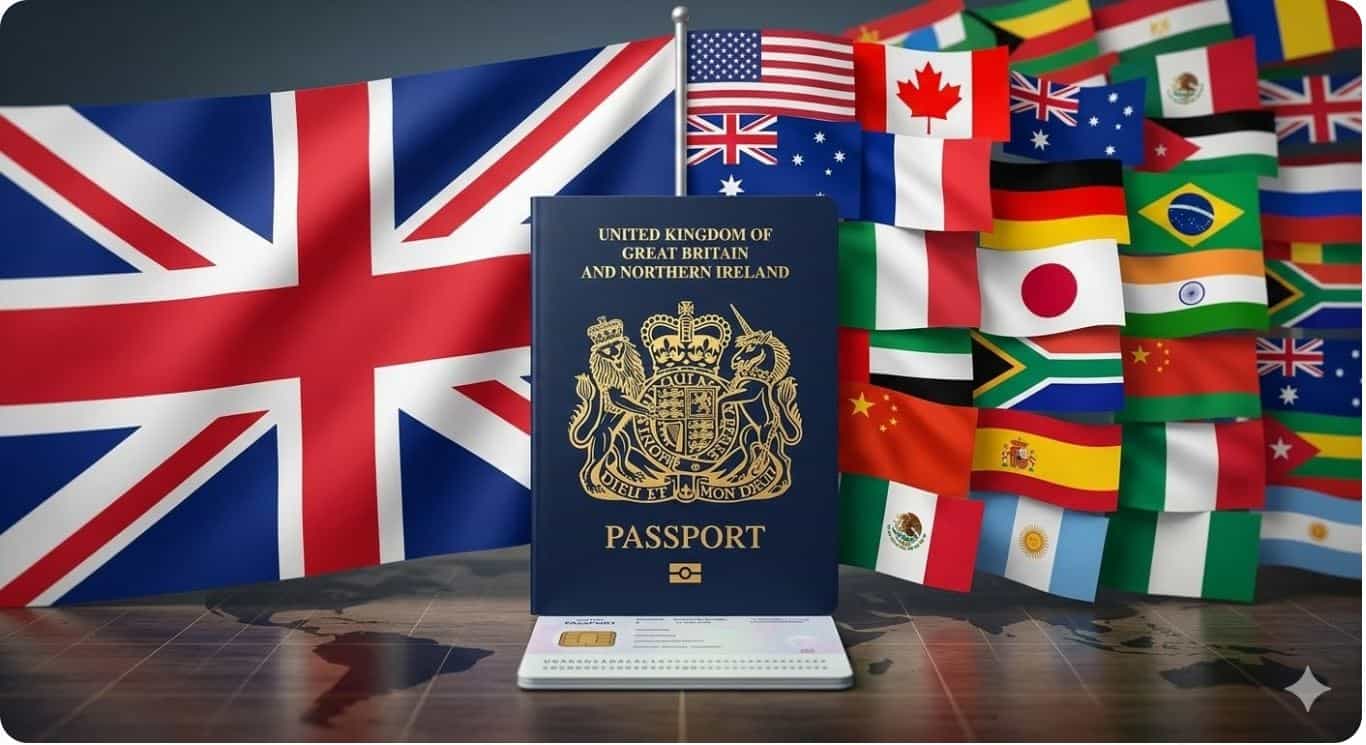
The UK government has officially switched on full border checks for its new Electronic Travel Authorisation (ETA) scheme. Designed to digitise the border and pre-screen visitors from 85 visa-free nations (including the United States, Canada, Australia, and New Zealand), the system has inadvertently created a bureaucratic nightmare for Britons who hold dual citizenship. With airlines now mandated to act as proxy border guards under threat of severe financial penalties, the era of relaxed, multi-passport travel is definitively over.
The ETA Implementation: A Deadline Missed by Many
The premise of the ETA is straightforward: anyone visiting the UK who does not require a visa must now apply for a £10 digital permission to travel before they arrive at the airport. It is the British equivalent of the American ESTA or the forthcoming European EES. However, the legislation contains a strict, unyielding clause: British citizens cannot legally apply for an ETA.
For decades, a dual national residing abroad for instance, someone holding both a British and an Australian passport could easily travel to London using their Australian passport. If questioned at the UK border, they could simply explain their dual status or present an expired British passport. Under the new digital regime, this workaround has been entirely eradicated. The automated systems checking passenger manifests against Home Office databases will immediately flag an Australian passport without an ETA attached. When the passenger attempts to apply for an ETA, the system recognises their details as a British citizen and rejects the application.
The Frontline Chaos: Airlines as Border Guards
The operational burden of this new policy has fallen squarely onto the shoulders of international airlines. Carriers such as Air Canada, Qantas, Emirates, Virgin Atlantic, and British Airways have been forced to implement rigorous secondary documentation checks before passengers even reach the security queues.
The scenes at global hubs like Toronto Pearson, Sydney Kingsford Smith, and New York JFK have been highly emotional. Families arriving for Easter holidays in the UK are being splintered at the check-in desk. Check-in agents, faced with fines of up to £2,000 per incorrectly boarded passenger, are taking a zero-tolerance approach. If a dual national presents a foreign passport without an ETA, and cannot immediately produce a valid, in-date British passport or a formal Certificate of Entitlement (CoE), they are denied boarding on the spot.
The Dual National Dilemma: No Passport, No Entry
The fundamental issue lies in the sheer number of British expatriates who have allowed their UK passports to expire, believing their second nationality was sufficient for travel. The Home Office has been uncompromising in its messaging: a British citizen’s fundamental right of abode in the United Kingdom must be proven with the correct documentation before they step onto an aircraft.
Many affected travellers have expressed outrage at the lack of direct communication from the government. “We received no emails, no letters, nothing to say my son’s Canadian passport would suddenly be invalid for visiting his grandparents in Yorkshire,” stated one frustrated traveller stranded in Vancouver. While the Home Office argues that the ETA rollout was subject to a highly publicized, two-year transition period, the reality on the ground suggests that the message completely failed to reach the diaspora communities it impacts the most.
The Financial Toll and Airline Responsibility
For the passengers caught in this bureaucratic trap, the financial consequences are severe. Because it is fundamentally the passenger’s legal responsibility to ensure they hold the correct travel documentation for their destination, airlines are not obligated to offer refunds or free re-bookings when boarding is denied due to incorrect visas or passports.
A family of four turned away at the gate could easily lose upwards of £4,000 in non-refundable airfares, alongside the costs of forfeited hotel bookings and car hires in the UK. Furthermore, standard travel insurance policies explicitly exclude claims arising from a failure to hold the correct travel documents. Passengers are entirely at the mercy of the airline’s goodwill; while some carriers like British Airways are quietly offering to hold tickets in credit while passengers urgently apply for emergency travel documents from local British consulates, others are strictly enforcing the “no show” clauses in their ticketing contracts.
Context & Analysis: The Shift to a Contactless Border
This strict enforcement marks a permanent shift in how the United Kingdom manages its borders. The UK is aggressively pursuing a “contactless, digital border” strategy, aiming to automate entry for low-risk travellers while pushing the initial layer of immigration control offshore, specifically to the airline check-in desk.
By forcing airlines to digitally verify every single passenger against the Home Office database before departure, the government effectively prevents “problematic” arrivals from ever reaching UK soil. While this drastically reduces the number of people detained at Heathrow immigration, it creates significant friction for legitimate travellers navigating the transition.
Essential Advice for Dual Nationals
If you hold dual citizenship and are planning to travel to the United Kingdom, you must take immediate action to avoid being stranded:
- Renew Your UK Passport: This is the safest and most foolproof method. Ensure your British passport is valid and in-date well before you book your flights. Processing times for overseas renewals can currently take up to 10 weeks.
- Apply for a Certificate of Entitlement: If you do not want to renew your British passport, you must apply for a Certificate of Entitlement to the Right of Abode, which is placed as a physical vignette inside your foreign passport.
- Do Not Attempt to Bypass the System: Do not attempt to travel on your foreign passport, assuming you can “talk your way through” border control. You will not get past the check-in agent in your departure country.